
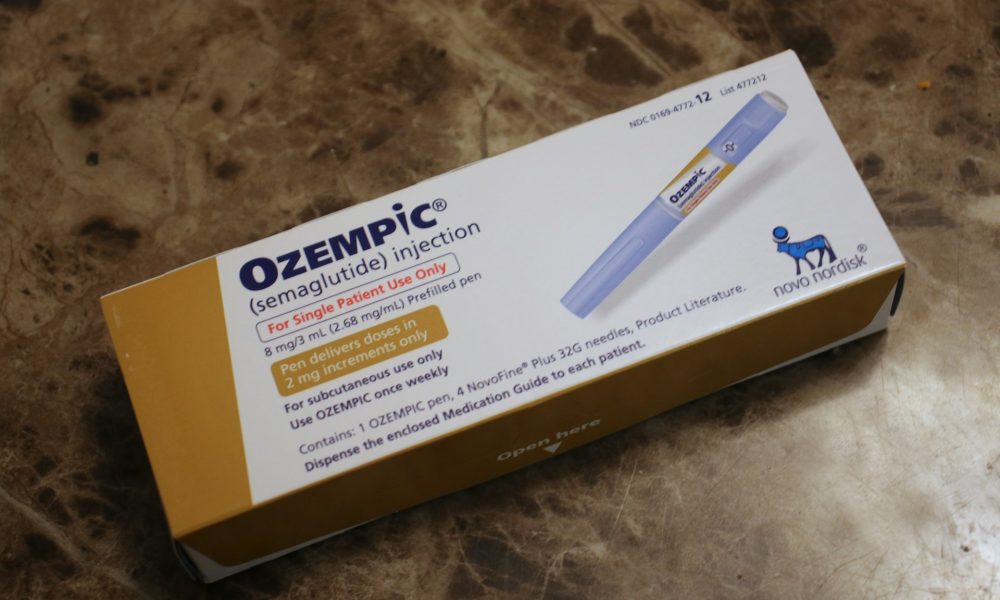
What is the Difference Between Ozempic and Mounjaro? A Closer Look
Ozempic and Mounjaro have become two of the most talked-about prescription drugs in recent years. People know them for helping manage type 2 diabetes, but the weight loss results grabbed even more attention. Social media fueled the hype, but doctors have been watching these medications closely for a different reason. They can improve blood sugar control in ways older treatments often could not.
At first glance, the two drugs seem almost identical. Both come as weekly injections. Both can reduce appetite. And, of course, both can help people lose a noticeable amount of weight. Yet they work differently inside the body, and that difference matters more than most people realize.
How Ozempic and Mounjaro Actually Work?
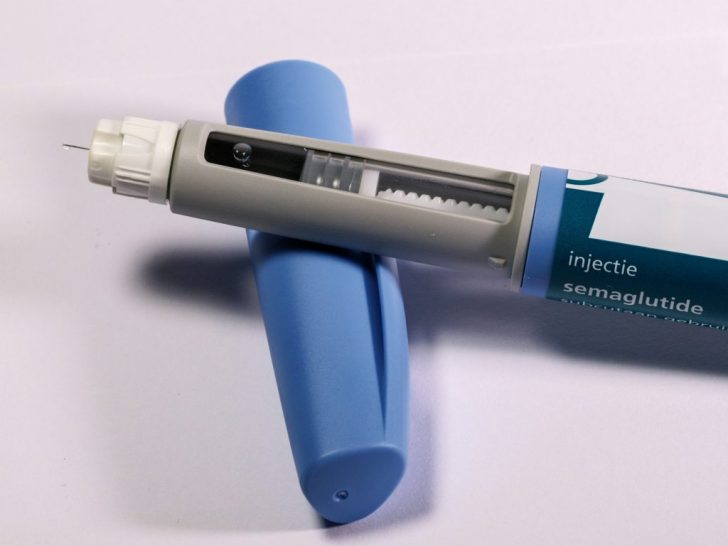
Ozempic contains semaglutide, a medication that copies a natural hormone called GLP-1. This hormone helps control blood sugar after meals. It also slows digestion and helps people feel full longer. Many patients end up eating less without forcing themselves to diet aggressively.
Mounjaro uses tirzepatide, and its approach is more advanced. It targets two hormones instead of one, GLP-1 and GIP. That dual action gives the body a stronger metabolic push. Researchers believe this is one reason many patients lose more weight on Mounjaro compared to Ozempic.
The extra hormone activity may also improve how the body handles insulin. Some early studies suggest tirzepatide could increase calorie burning through brown fat activation. Brown fat helps the body burn energy to create heat. Scientists are still studying this effect in humans, but the early findings have sparked serious interest.
Ozempic still remains a powerful medication despite the simpler mechanism. It has years of research behind it and continues to produce strong results for many patients. Doctors often consider medical history, treatment goals, and side effect tolerance before recommending one over the other.
Which Medication Leads to More Weight Loss?
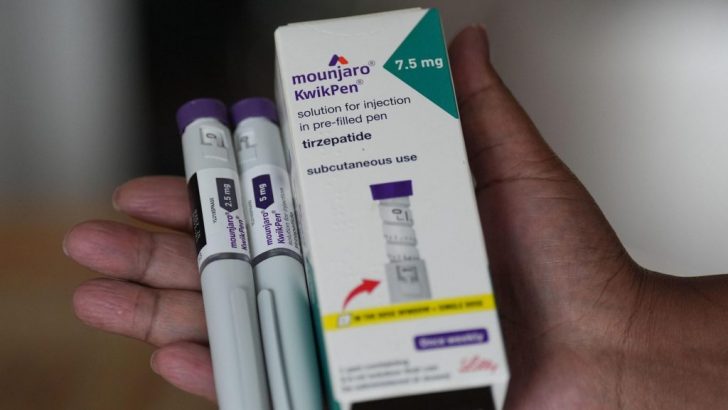
Health Corner / Neither Ozempic nor Mounjaro received FDA approval specifically for weight loss in their standard forms. Their sister drugs, Wegovy and Zepbound, hold those approvals instead.
Still, patients using Ozempic or Mounjaro for diabetes frequently lose weight during treatment.
A major 2024 study followed more than 41,000 adults with type 2 diabetes. Around 82% of Mounjaro users lost at least 5% of their body weight within one year. Ozempic users also saw strong results, but the percentage was lower at roughly 67%.
Clinical trials showed a similar pattern. Patients using Mounjaro lost around 17 to 25 pounds on average. Those taking Ozempic lost closer to 13 pounds. That gap may not sound huge at first, but it becomes more noticeable over time.
Doctors think the dual hormone action gives Mounjaro the edge. Patients often report reduced cravings and better appetite control. Some people also say they feel satisfied faster during meals. Those small daily changes can create major weight loss over several months.
Health Benefits Beyond Weight Loss
Ozempic has strong evidence supporting heart and kidney protection. The FDA approved it to reduce the risk of major cardiovascular problems in adults with type 2 diabetes and heart disease. That includes heart attacks and strokes.
However, Mounjaro has not yet gained the same official approvals for heart and kidney protection. That does not mean it lacks benefits. Research is still ongoing, and many experts expect more data in the coming years. Early findings remain promising, but the long-term evidence is still growing.
Another important difference involves age approval. Ozempic is approved only for adults with type 2 diabetes. Mounjaro can be prescribed for adults and children ages 10 and older. That wider approval gives doctors another option for younger patients struggling with diabetes management.
Side Effects and Safety Concerns
Haber / Unsplash / Nausea is the most common complaint. Some patients also experience vomiting, diarrhea, constipation, stomach pain, or bloating.
These symptoms usually appear during the first few weeks of treatment.
Doctors typically increase the dose slowly to help the body adjust. Patients who rush the process often feel worse. Eating smaller meals and avoiding greasy foods may also reduce stomach discomfort during treatment.
Mounjaro appears slightly more likely to cause digestive issues at higher doses. Studies found increased rates of nausea, vomiting, and diarrhea compared to Ozempic’s top dose. That does not mean everyone will struggle with side effects, but it remains an important factor.
More in Motivation
-
`
 How Eating the Same Food Every Day Can Help With Weight Loss
Most people think variety is the key to a healthy diet. More colors, more choices, more excitement on the plate. That...
April 17, 2026 -
`
 Watch Tony Hawk’s Epic Solo Skate Session at Brooklyn Banks
Decades in, Tony Hawk still embodies the soul of skateboarding. The “Birdman” was spotted back at the historic Brooklyn Banks for...
October 31, 2025 -
`
 Ed Sheeran Opens Up About His Dramatic Weight Loss
Ed Sheeran didn’t just wake up fit in 2025. The 34-year-old English singer made it happen, one hard choice at a...
October 19, 2025 -
`
 New Research Shows You Can Cut Your Alzheimer’s Risk in Half With Lifestyle Changes
Lifestyle isn’t just about feeling good or staying fit. It is now one of the most powerful tools we have to...
October 5, 2025 -
`
 Is ‘Nature’s Ozempic’ Barberine Really Good For Weight Loss?
Weight loss is big business, and right now, all eyes are on berberine, a plant compound people are calling “nature’s Ozempic.”...
September 27, 2025 -
`
 Fat Jabs May Cure Cocaine Addiction and Boost Heart Health, New Study Finds
What if the same jab that helps you lose weight could also help you kick a cocaine habit? Sounds wild, but...
September 21, 2025 -
`
 Dwayne Johnson Shocks Fans With Dramatic Weight Loss Transformation
Dwayne “The Rock” Johnson stunned the crowd at the 2025 Venice Film Festival with a slimmer look that set social media...
September 20, 2025 -
`
 Here’s How Fat-Blocking Green Tea Microbeads May Aid Weight Loss
Scientists are exploring an innovative way to reduce fat absorption in the body—tiny edible beads made with green tea, vitamin E,...
September 12, 2025 -
`
 Why the Heart Is Slightly to the Left and Not Perfectly Centered
The heart is one of the most vital organs in the body, yet its placement often raises questions. Many assume it...
August 16, 2025
You must be logged in to post a comment Login