
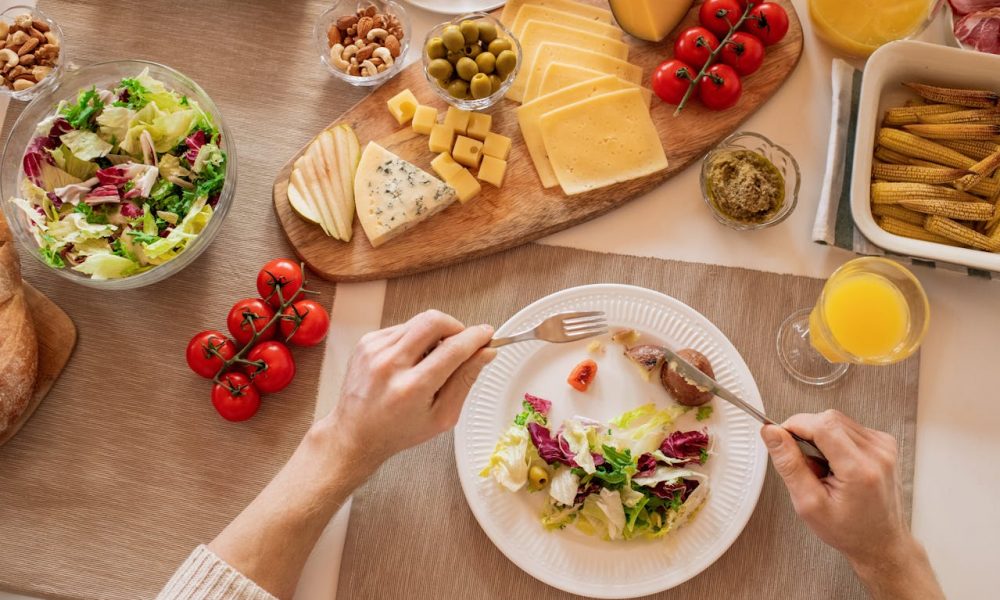
How Eating the Same Food Every Day Can Help With Weight Loss
Most people think variety is the key to a healthy diet. More colors, more choices, more excitement on the plate. That idea sounds great, but new research tells a different story. Sticking to the same meals each day might actually help you lose more weight.
A recent study published in Health Psychology looked at how eating habits affect weight loss. The results show that dietary repetition can simplify eating and make weight loss easier to manage. The study followed 112 adults in a weight-loss program for 12 weeks. People who ate similar meals each day lost about 5.9% of their body weight. Those who switched up their meals more often lost only 4.3%.
The reason comes down to fewer decisions. When you already know what you will eat, you skip the daily debate about food. That cuts out second-guessing and random cravings. You stop standing in front of the fridge, hoping for a better idea. Instead, you just follow the plan and move on.
There is also the issue of calorie swings. The study found that when daily calorie intake fluctuated significantly, weight loss slowed. For every 100 extra calories added through inconsistency, weight loss dropped by about 0.6 percent. That shows how quickly small changes can stack up.
Eating the same meals helps keep calories steady. You know the portion size, the ingredients, and the outcome. That kind of structure builds habits that are hard to break. Over time, it becomes automatic, and that is where real progress happens.
The Science Behind Getting Bored With Food

Master / Pexels / There is a biological reason this approach works so well. It is called ‘sensory specific satiety.’
That means your brain gets less excited about a food the more often you eat it. The first bite feels great, but by the tenth bite, it feels normal.
When you eat the same meals every day, that excitement fades faster. Food becomes less tempting, reducing the likelihood of overeating. You stop chasing flavors and start eating for fuel. That shift makes a big difference in how much you eat.
This effect also explains why simple diets can lead to quick weight loss. When meals feel repetitive, people naturally eat less without trying too hard. The food still satisfies hunger, but it does not trigger the same urge to keep eating.
The Hidden Risks You Should Not Ignore
Eating the same food every day sounds easy, but it comes with downsides. The biggest concern is missing out on key nutrients. Your body needs a mix of vitamins and minerals to stay healthy, and no single meal can cover everything.
If your daily meals lack variety, you might not get enough fiber, healthy fats, or important micronutrients. Over time, that can lead to low energy, poor digestion, and other health issues. Weight loss should not come at the cost of overall health.
There is also the gut factor. Your gut needs different types of food to support a healthy balance of bacteria. When your diet stays too narrow, that diversity drops. A less diverse gut can affect digestion, immunity, and even long-term weight control.
How to Use This Strategy Without Hurting Your Health?
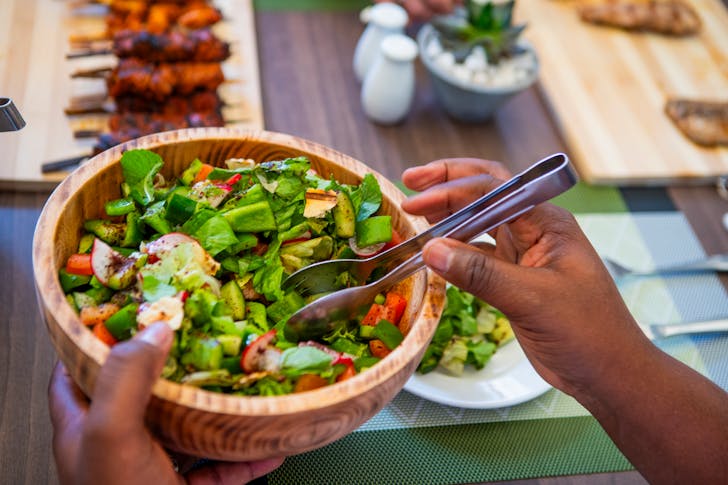
IP / Pexels / You do not need to eat the exact same meal every single day. Instead, build a small list of go-to meals and cycle through them during the week.
For example, you might have two or three breakfast options, a few lunches, and a few dinners. Each meal follows a simple pattern with protein, fiber, and healthy fats. That keeps things consistent while still giving your body what it needs.
This approach keeps decision-making simple. You still avoid random food choices, but you get enough variety to support your health. It is a balance between routine and flexibility, which makes it easier to stick with over time.
More in Motivation
-
`
 Watch Tony Hawk’s Epic Solo Skate Session at Brooklyn Banks
Decades in, Tony Hawk still embodies the soul of skateboarding. The “Birdman” was spotted back at the historic Brooklyn Banks for...
October 31, 2025 -
`
 Ed Sheeran Opens Up About His Dramatic Weight Loss
Ed Sheeran didn’t just wake up fit in 2025. The 34-year-old English singer made it happen, one hard choice at a...
October 19, 2025 -
`
 New Research Shows You Can Cut Your Alzheimer’s Risk in Half With Lifestyle Changes
Lifestyle isn’t just about feeling good or staying fit. It is now one of the most powerful tools we have to...
October 5, 2025 -
`
 Is ‘Nature’s Ozempic’ Barberine Really Good For Weight Loss?
Weight loss is big business, and right now, all eyes are on berberine, a plant compound people are calling “nature’s Ozempic.”...
September 27, 2025 -
`
 Fat Jabs May Cure Cocaine Addiction and Boost Heart Health, New Study Finds
What if the same jab that helps you lose weight could also help you kick a cocaine habit? Sounds wild, but...
September 21, 2025 -
`
 Dwayne Johnson Shocks Fans With Dramatic Weight Loss Transformation
Dwayne “The Rock” Johnson stunned the crowd at the 2025 Venice Film Festival with a slimmer look that set social media...
September 20, 2025 -
`
 Here’s How Fat-Blocking Green Tea Microbeads May Aid Weight Loss
Scientists are exploring an innovative way to reduce fat absorption in the body—tiny edible beads made with green tea, vitamin E,...
September 12, 2025 -
`
 Why the Heart Is Slightly to the Left and Not Perfectly Centered
The heart is one of the most vital organs in the body, yet its placement often raises questions. Many assume it...
August 16, 2025 -
`
 Ozzy Osbourne’s Most Shocking and Beloved Pop Culture Moments
Few figures in rock history have carved out a legacy as vivid and unpredictable as Ozzy Osbourne. Beyond his groundbreaking work...
August 10, 2025
You must be logged in to post a comment Login