

Planetary Health Diet Can Help Lower Menopause Obesity Risk, Study
Menopause brings plenty of changes, and weight gain is often one of the most frustrating. Many women notice that maintaining a healthy weight becomes harder during midlife, even when their habits have not changed much. Hormonal shifts, changes in metabolism, and aging all play a role. Now, new research suggests that diet quality may make a bigger difference than many people realize.
A large study published in JAMA Network found that women who followed a Planetary Health Diet had a much lower risk of developing obesity during the menopausal transition. Researchers tracked more than 38,000 women over a 12-year period and found striking differences between those who followed healthier eating patterns and those who did not.
The research drew data from 38,283 participants in the Nurses’ Health Study II, one of the most respected long-term health studies in the United States. Researchers monitored dietary habits, weight changes, and health outcomes during the years surrounding menopause. This gave them a detailed look at how eating patterns affected weight over time.
The Planetary Health Diet Stood Out
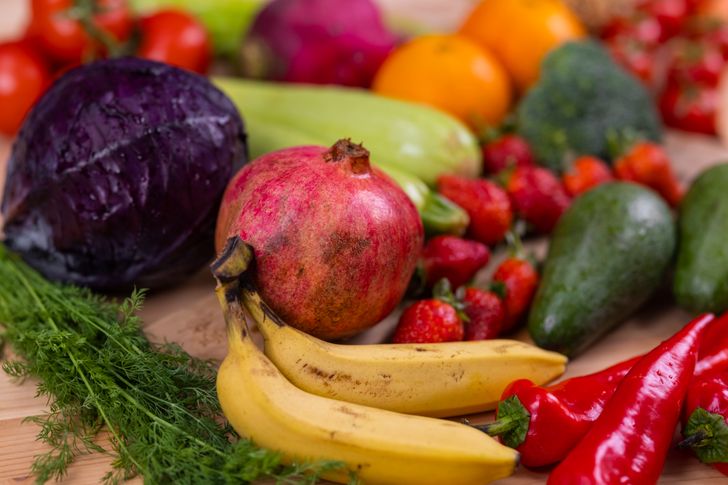
Engin / Pexels / Women with the highest adherence to this eating plan had a 54% lower risk of developing obesity compared with women who followed it the least.
Researchers reported a hazard ratio of 0.46, showing a substantial reduction in risk.
Remember, obesity becomes more common during menopause. Many women gain weight around the abdomen during this stage of life, which can increase the risk of heart disease, type 2 diabetes, and other chronic conditions. A dietary pattern linked to such a significant reduction in obesity risk could have major public health benefits.
The Planetary Health Diet was originally developed to support both human health and environmental sustainability. It emphasizes nutrient-dense foods while limiting items that are often linked to excess calorie intake and poorer health outcomes.
Rather than promoting strict rules, the diet focuses on eating more whole foods. That makes it easier for many people to maintain over the long term. Sustainable habits often produce better results than highly restrictive plans that are difficult to follow.
Another Eating Pattern Also Produced Strong Results

Shvets / Pexels / Researchers also found impressive outcomes among women who followed a low-insulinemic dietary pattern.
This approach is measured using the reverse empirical dietary index for hyperinsulinemia, commonly known as EDIH. Women with the highest adherence had a 49% lower risk of obesity compared with those with the lowest adherence.
The low-insulinemic approach was also associated with the smallest annual weight gain. On average, women following this pattern gained 0.28 kilograms less per year than women with less favorable dietary habits. That may seem modest, but small yearly differences can add up significantly over a decade.
The results suggest that controlling insulin response may play an important role in weight management during menopause. Foods that cause frequent spikes in insulin levels can encourage fat storage and make weight control more difficult.
One of the most interesting findings was how closely the healthiest dietary patterns resembled each other. Both emphasized minimally processed plant foods and limited heavily processed items that are often linked to weight gain.
Women who scored highest on the Planetary Health Diet consumed more nuts, legumes, fruits, vegetables, whole grains, vegetable proteins, and healthy unsaturated fats. These foods tend to be rich in fiber and nutrients while providing lasting satiety. Feeling fuller for longer can naturally help reduce overall calorie intake.
The dietary patterns also discouraged foods commonly associated with excess weight gain. These included red meat, processed meat, refined grains, French fries, potatoes, and high-sodium foods. Such items often contain large amounts of calories while providing relatively little nutritional value.
Researchers observed that foods linked to higher EDIH scores, including processed meats and French fries, were also associated with greater weight gain. This reinforces the idea that food quality matters just as much as calorie quantity.
More in Diet
-
`
 Watch Tony Hawk’s Epic Solo Skate Session at Brooklyn Banks
Decades in, Tony Hawk still embodies the soul of skateboarding. The “Birdman” was spotted back at the historic Brooklyn Banks for...
October 31, 2025 -
`
 Ed Sheeran Opens Up About His Dramatic Weight Loss
Ed Sheeran didn’t just wake up fit in 2025. The 34-year-old English singer made it happen, one hard choice at a...
October 19, 2025 -
`
 New Research Shows You Can Cut Your Alzheimer’s Risk in Half With Lifestyle Changes
Lifestyle isn’t just about feeling good or staying fit. It is now one of the most powerful tools we have to...
October 5, 2025 -
`
 Is ‘Nature’s Ozempic’ Barberine Really Good For Weight Loss?
Weight loss is big business, and right now, all eyes are on berberine, a plant compound people are calling “nature’s Ozempic.”...
September 27, 2025 -
`
 Fat Jabs May Cure Cocaine Addiction and Boost Heart Health, New Study Finds
What if the same jab that helps you lose weight could also help you kick a cocaine habit? Sounds wild, but...
September 21, 2025 -
`
 Dwayne Johnson Shocks Fans With Dramatic Weight Loss Transformation
Dwayne “The Rock” Johnson stunned the crowd at the 2025 Venice Film Festival with a slimmer look that set social media...
September 20, 2025 -
`
 Here’s How Fat-Blocking Green Tea Microbeads May Aid Weight Loss
Scientists are exploring an innovative way to reduce fat absorption in the body—tiny edible beads made with green tea, vitamin E,...
September 12, 2025 -
`
 Why the Heart Is Slightly to the Left and Not Perfectly Centered
The heart is one of the most vital organs in the body, yet its placement often raises questions. Many assume it...
August 16, 2025 -
`
 Ozzy Osbourne’s Most Shocking and Beloved Pop Culture Moments
Few figures in rock history have carved out a legacy as vivid and unpredictable as Ozzy Osbourne. Beyond his groundbreaking work...
August 10, 2025
You must be logged in to post a comment Login