

What Should You Eat & Avoid If You Are at Risk of Prediabetes?
Hearing that you have prediabetes can feel worrying, but it is not a life sentence. It is an early warning that your blood sugar is higher than normal, yet not high enough to be called type 2 diabetes. The good news is that this stage gives you time to act.
For many people, healthy eating can make a real difference. Research continues to show that better food choices, along with regular exercise and maintaining a healthy weight, can lower blood sugar and reduce the risk of developing type 2 diabetes. Small changes made today can protect your health for years to come.
Forget crash diets and trendy eating plans. The goal is not to eat perfectly every day. The goal is to build habits that are realistic, enjoyable, and easy to maintain over the long term.
Food affects blood sugar more than most people realize. Choosing the right balance of carbohydrates, protein, healthy fats, and fiber helps your body process glucose more efficiently. That means steadier energy levels and fewer sharp spikes in blood sugar throughout the day.
Build Every Meal Around Balance

Pixabay / Pexel / One of the easiest ways to eat for prediabetes is by using the ‘plate method.’ It takes the guesswork out of meal planning and helps control portions without counting every calorie.
Many health experts recommend this simple approach because it works for almost any cuisine.
Fill half of your plate with non-starchy vegetables. Spinach, broccoli, cauliflower, zucchini, mushrooms, peppers, cucumbers, and leafy greens all provide vitamins, minerals, and fiber without causing large increases in blood sugar.
Reserve one quarter of your plate for lean protein. Chicken, turkey, fish, eggs, tofu, beans, and lentils all help keep you full for longer. Protein also slows digestion, which helps reduce rapid rises in blood glucose after eating.
The remaining quarter should contain healthy carbohydrates. Choose foods such as brown rice, quinoa, oats, sweet potatoes, peas, corn, or whole-grain pasta. These foods provide lasting energy because they digest much more slowly than refined carbohydrates.
This simple balance supports stable blood sugar levels while providing your body with the nutrients it needs. It also makes healthy eating feel less restrictive because no food group has to disappear completely.
Choose Better Carbohydrates Every Day
Carbohydrates are not the enemy. The type of carbohydrate you eat matters much more than the amount alone. Highly processed carbohydrates break down quickly and often lead to sharp spikes in blood sugar.
White bread, white rice, sugary breakfast cereals, pastries, biscuits, cakes, and many packaged snack foods fall into this category. These foods are usually low in fiber and leave you feeling hungry again soon after eating.
Complex carbohydrates work differently. Whole grains, beans, lentils, vegetables, and fruit contain fiber that slows digestion. That slower process helps prevent sudden blood sugar swings while keeping you satisfied for longer.
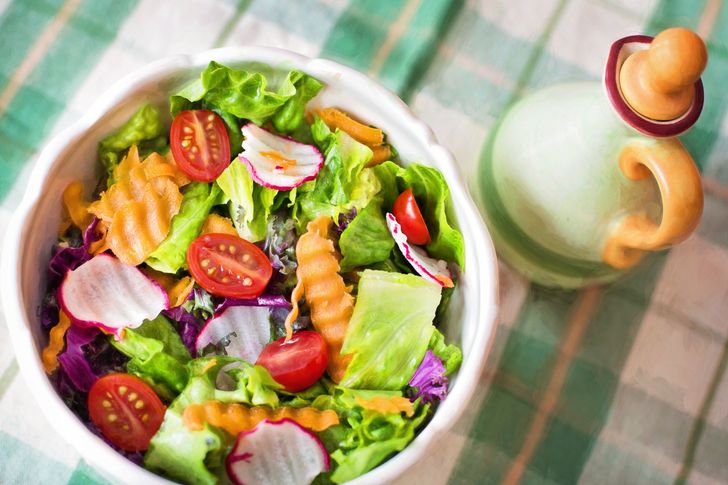
Jill / Pexels / The best diet plan is the one you can stick with for years, not weeks.
Fiber is one of your strongest allies. Most adults should aim for around 25 to 30 grams each day. Eating plenty of vegetables, fruit, legumes, nuts, seeds, and whole grains makes it much easier to reach that goal.
Sugary beverages can raise blood sugar faster than many solid foods because they contain large amounts of rapidly absorbed sugar. A single can of regular soft drink may contain more added sugar than many people should consume in an entire day.
Healthy Eating Patterns Beat Quick Fixes
The Mediterranean diet remains one of the strongest choices. It focuses on vegetables, fruit, legumes, whole grains, fish, olive oil, nuts, and moderate portions of dairy. This eating pattern has repeatedly been linked to better blood sugar control and improved heart health.
Remember, water should always remain your first choice. Sparkling water, unsweetened tea, and black coffee are also good options for most people. Cutting back on sugary drinks is often one of the fastest ways to reduce excess sugar intake.
More in Lifestyle
-
`
 How Eating the Same Food Every Day Can Help With Weight Loss
Most people think variety is the key to a healthy diet. More colors, more choices, more excitement on the plate. That...
April 17, 2026 -
`
 Watch Tony Hawk’s Epic Solo Skate Session at Brooklyn Banks
Decades in, Tony Hawk still embodies the soul of skateboarding. The “Birdman” was spotted back at the historic Brooklyn Banks for...
October 31, 2025 -
`
 Ed Sheeran Opens Up About His Dramatic Weight Loss
Ed Sheeran didn’t just wake up fit in 2025. The 34-year-old English singer made it happen, one hard choice at a...
October 19, 2025 -
`
 New Research Shows You Can Cut Your Alzheimer’s Risk in Half With Lifestyle Changes
Lifestyle isn’t just about feeling good or staying fit. It is now one of the most powerful tools we have to...
October 5, 2025 -
`
 Is ‘Nature’s Ozempic’ Barberine Really Good For Weight Loss?
Weight loss is big business, and right now, all eyes are on berberine, a plant compound people are calling “nature’s Ozempic.”...
September 27, 2025 -
`
 Fat Jabs May Cure Cocaine Addiction and Boost Heart Health, New Study Finds
What if the same jab that helps you lose weight could also help you kick a cocaine habit? Sounds wild, but...
September 21, 2025 -
`
 Dwayne Johnson Shocks Fans With Dramatic Weight Loss Transformation
Dwayne “The Rock” Johnson stunned the crowd at the 2025 Venice Film Festival with a slimmer look that set social media...
September 20, 2025 -
`
 Here’s How Fat-Blocking Green Tea Microbeads May Aid Weight Loss
Scientists are exploring an innovative way to reduce fat absorption in the body—tiny edible beads made with green tea, vitamin E,...
September 12, 2025 -
`
 Why the Heart Is Slightly to the Left and Not Perfectly Centered
The heart is one of the most vital organs in the body, yet its placement often raises questions. Many assume it...
August 16, 2025
You must be logged in to post a comment Login