
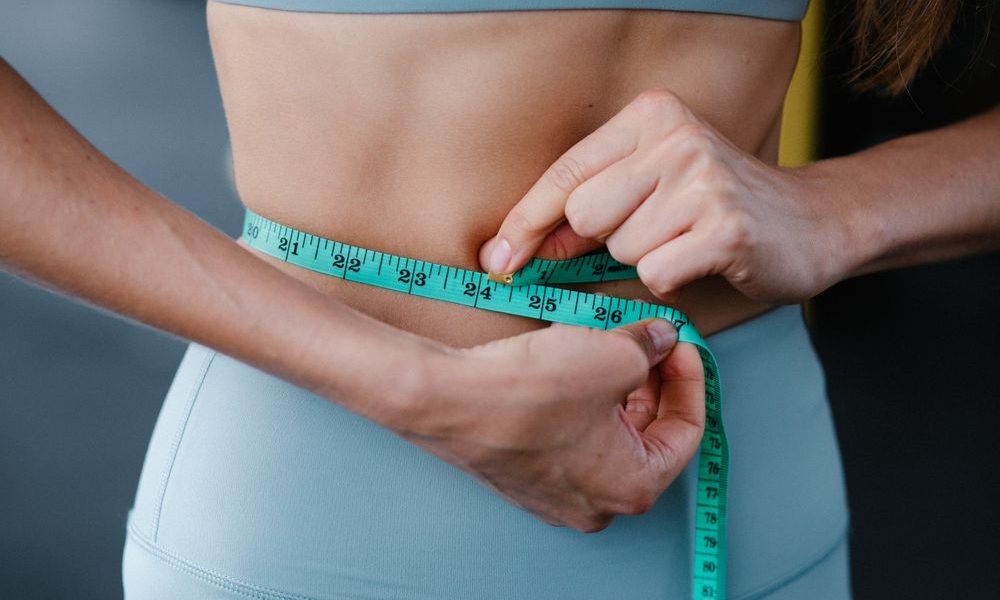
New Compound Burns Fat While Protecting Muscle in Early Obesity Study
Weight loss comes with an unwanted tradeoff. People may lose fat, but they can also lose valuable muscle along the way. A new experimental compound could point toward a different approach. Researchers found that a substance called 5-tetradecyloxy-2-furoic acid, better known as TOFA, helped obese mice lose body fat while preserving lean muscle.
The findings come from researchers at the University of California, Berkeley. Their work, published in Science Advances, suggests that obesity treatment may not need to focus only on reducing appetite. Instead, TOFA appears to help the body use more energy. That makes the compound interesting because it attacks weight gain from another direction.
TOFA Appears to Make the Body Burn More Energy
Ketut / Pexels / GLP-1 drugs such as semaglutide and tirzepatide can lower appetite and help people feel full sooner. TOFA works differently.
Rather than cutting food intake, the compound increased energy expenditure, meaning the mice burned more calories without eating less or moving more.
Researchers found that energy expenditure increased by as much as 18% in treated mice. The animals did not become more physically active, and their body temperature did not rise.
TOFA appears to achieve this effect through two metabolic actions. First, it inhibits an enzyme called acetyl-CoA carboxylase, often shortened to ACC. ACC helps the body produce fatty substances such as cholesterol and triglycerides. Blocking this enzyme may reduce the amount of new fat that cells create and store.
At the same time, TOFA activates receptors called PPAR alpha and PPAR delta. These receptors help control genes involved in fat metabolism. When these receptors become active, cells can take in more fatty acids and burn them for energy. The result is a shift away from storing fat and toward using it as fuel.
That combination produced striking results in the mouse experiments. Obese mice treated with TOFA lost an average of about 18% of their body weight over four weeks. Most of that lost weight came from body fat. Researchers did not find a significant reduction in lean muscle mass, which makes the results especially interesting.
Muscle preservation has become a major topic in obesity medicine. Rapid weight loss can sometimes reduce both fat and lean tissue, including skeletal muscle. Keeping muscle matters because muscle supports strength, movement, balance, and metabolic health. A treatment that reduces fat while protecting lean tissue could offer an important advantage if similar effects appear in people.
TOFA Could Complement Popular GLP-1 Weight Loss Drugs
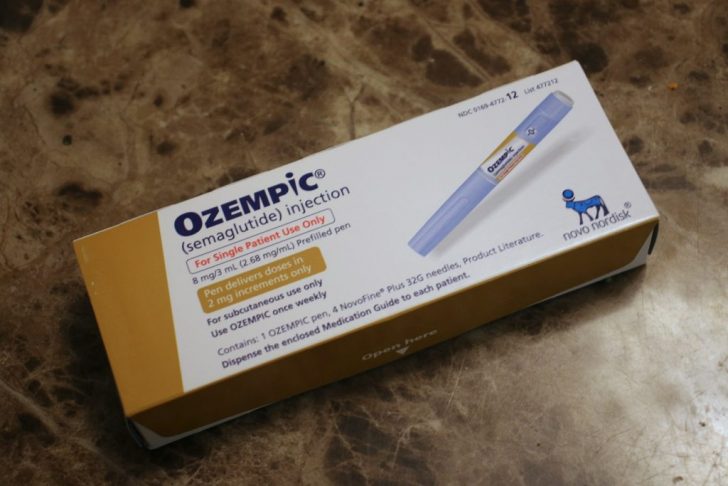
David / Unsplash / Researchers also tested TOFA alongside GLP-1 receptor agonists. These medicines include semaglutide and tirzepatide, which are used in products such as Ozempic, Wegovy, Mounjaro, and Zepbound.
The combination produced greater improvements in several areas than either treatment alone. Mice showed greater reductions in body weight along with better glucose control and insulin levels. That result raises an interesting possibility. Future obesity treatment could potentially target both sides of the energy balance equation.
GLP-1 medicines can reduce calorie intake by controlling hunger and slowing digestion. TOFA appears to increase the amount of energy the body uses. Combining those actions could create a stronger metabolic effect than relying on one approach alone. Researchers still need much more evidence before knowing if that idea will work safely in humans.
The concept also reflects a broader change in obesity research. Scientists are looking beyond appetite control and studying ways to change how the body burns and stores fuel. Increasing energy expenditure has long been difficult because some approaches can cause dangerous side effects. A treatment needs to raise calorie use without putting excessive strain on the heart or creating harmful heat production.
The early TOFA results are encouraging because the treated mice did not show a rise in body temperature. Researchers also reported that physical activity and food intake remained unchanged.
More in Body
-
`
 How Eating the Same Food Every Day Can Help With Weight Loss
Most people think variety is the key to a healthy diet. More colors, more choices, more excitement on the plate. That...
April 17, 2026 -
`
 Watch Tony Hawk’s Epic Solo Skate Session at Brooklyn Banks
Decades in, Tony Hawk still embodies the soul of skateboarding. The “Birdman” was spotted back at the historic Brooklyn Banks for...
October 31, 2025 -
`
 Ed Sheeran Opens Up About His Dramatic Weight Loss
Ed Sheeran didn’t just wake up fit in 2025. The 34-year-old English singer made it happen, one hard choice at a...
October 19, 2025 -
`
 New Research Shows You Can Cut Your Alzheimer’s Risk in Half With Lifestyle Changes
Lifestyle isn’t just about feeling good or staying fit. It is now one of the most powerful tools we have to...
October 5, 2025 -
`
 Is ‘Nature’s Ozempic’ Barberine Really Good For Weight Loss?
Weight loss is big business, and right now, all eyes are on berberine, a plant compound people are calling “nature’s Ozempic.”...
September 27, 2025 -
`
 Fat Jabs May Cure Cocaine Addiction and Boost Heart Health, New Study Finds
What if the same jab that helps you lose weight could also help you kick a cocaine habit? Sounds wild, but...
September 21, 2025 -
`
 Dwayne Johnson Shocks Fans With Dramatic Weight Loss Transformation
Dwayne “The Rock” Johnson stunned the crowd at the 2025 Venice Film Festival with a slimmer look that set social media...
September 20, 2025 -
`
 Here’s How Fat-Blocking Green Tea Microbeads May Aid Weight Loss
Scientists are exploring an innovative way to reduce fat absorption in the body—tiny edible beads made with green tea, vitamin E,...
September 12, 2025 -
`
 Why the Heart Is Slightly to the Left and Not Perfectly Centered
The heart is one of the most vital organs in the body, yet its placement often raises questions. Many assume it...
August 16, 2025
You must be logged in to post a comment Login