

What Really Happens to Your Body During a Panic Attack?
Panic attacks can feel like a sudden storm inside the body. One moment everything feels fine, and the next, the heart races, the chest tightens, and breathing becomes shallow. For many, the intensity feels life-threatening even when no real danger exists. These episodes can strike anyone, anytime, often leaving behind confusion and fear about what just happened.
Experts estimate that up to one-third of people will experience at least one panic attack during their lifetime. Although the trigger might vary, every panic attack shares a common root, the body’s natural defense system going into overdrive. The mind perceives danger and flips on a powerful internal alarm, flooding the body with chemicals meant to protect it.
What Happens Inside the Body
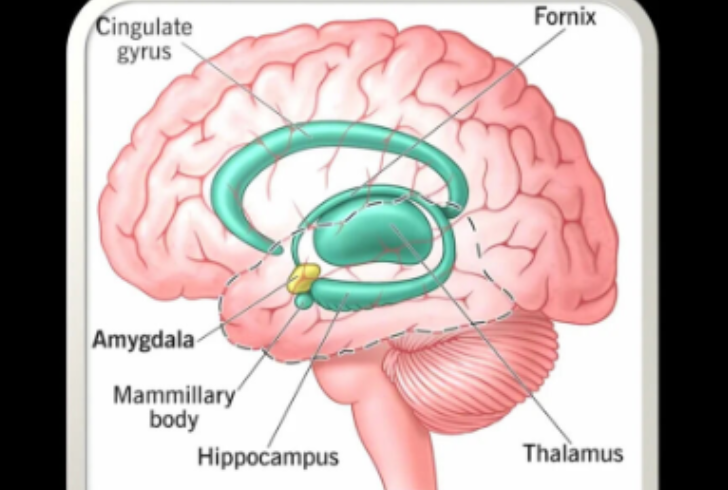
Instagram | @d.o.se | A panic attack is the rapid brain-body stress response triggered by the amygdala.
When the brain senses a threat, it moves faster than conscious thought. The thalamus, which processes sensory information, sends an alert to the amygdala, the brain’s emotional command center. The amygdala then signals the hypothalamus, which activates the adrenal glands. In seconds, these glands release adrenaline and cortisol, setting off a full-blown stress response.
This chain reaction prepares the body for survival. Heart rate spikes, breathing quickens, and muscles tense. Blood shifts away from fingers and toes to large muscle groups, readying the body for action. Vision sharpens, pupils dilate, and the brain becomes laser-focused on danger.
Clinical psychologist Dr. Reid Wilson explains it this way: “Your body and mind are trying to protect you from a perceived threat. It’s your fight, flight, or freeze system kicking in.”
This process, meant to save lives in true emergencies, can become overwhelming when triggered without a real threat. In that moment, the brain misfires, responding to stress, not danger.
Why Panic Attacks Can Happen “Out of the Blue”
Not every panic attack stems from an external threat. Some arise from internal signals the body misunderstands. Clinical neuropsychologist Dr. Justin Feinstein notes that fear can start from inside the body, not outside it. His research shows that sensations like shortness of breath or dizziness can set off the same alarm in the brain that a lion charging at you would.
This explains why panic can strike suddenly, even when nothing scary seems to be happening. In these moments, the amygdala reacts to physical changes, such as increased CO₂ levels, instead of an actual danger. The body then interprets these sensations as signs of crisis, starting the panic cycle.
How Breath-Holding Triggers Panic

ChatGPT | Stressful moments often trigger unacknowledged breath-holding that raises CO₂.
Many people unintentionally hold their breath during stressful moments. Whether rushing through emails or sitting in traffic, they may pause breathing without realizing it. This reflex, called amygdala-driven apnea, can quietly raise CO₂ levels in the blood. When CO₂ levels rise too high, chemoreceptors in the brain send an urgent message: something is wrong.
Feinstein explains, “The amygdala can cause breathing to stop, and people may not even notice. The body then overreacts to protect itself.”
This unconscious breath-holding links back to human evolution. Early humans who played dead to avoid predators had to suppress breathing to survive. In modern life, this instinct sometimes misfires.
When someone repeats this pattern throughout a hectic day, the small pauses add up. Each breath-hold increases CO₂ slightly, until the brain interprets it as suffocation. The result can be a sudden, overwhelming wave of panic.
The Science Behind the Sensations
The chemoreceptors in the body constantly measure CO₂ levels to maintain balance. When breathing patterns shift or stop, these sensors sound the alarm. This triggers a flood of adrenaline, which raises heart rate and creates sensations like dizziness, trembling, or chest tightness.
Once these physical symptoms begin, the mind often jumps to the worst-case scenario, a heart attack or loss of control. That fear feeds the panic, and the body’s stress response grows even stronger.
It becomes a feedback loop: the more frightening the symptoms feel, the more adrenaline the body releases. Breaking this cycle takes awareness and practice.
Effective Ways to Calm the Panic Response
Managing panic attacks isn’t just about lifestyle changes. It’s about retraining how the brain interprets sensations. Experts recommend practicing conscious breathing to keep CO₂ levels steady and reduce anxiety.
Feinstein encourages daily breath awareness. “Learning to be a better, conscious breather helps regulate the body. You don’t want CO₂ too high or too low, both can trigger anxiety,” he says.
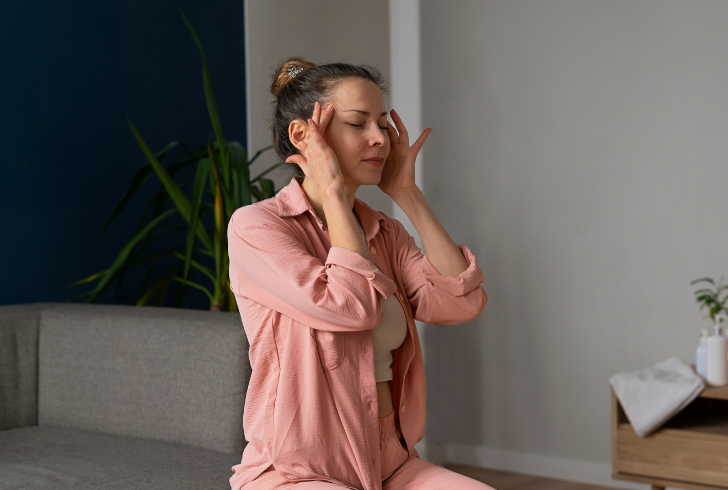
Freepik | Panic attacks are managed by brain retraining and conscious breathing to lower anxiety.
Simple breathing exercises can help:
1. Inhale slowly through the nose for four seconds.
2. Hold briefly, then exhale for six seconds.
3. Repeat several times until the body starts to relax.
Mindfulness and grounding techniques also help the brain stay anchored in the present moment. Focusing on sensations like the floor beneath your feet or the sound of your breath can redirect attention away from fear.
Why Avoidance Increases Panic Over Time
Avoiding places or situations that trigger panic may feel helpful short term, but it reinforces fear and can lead to agoraphobia. Over time, the brain starts linking normal environments with danger, shrinking a person’s comfort zone.
Experts note that avoiding anxiety signals to the brain that fear is in control. Instead, building confidence in handling panic is more effective. Facing anxiety teaches the brain that these sensations aren’t actually dangerous.
Self-talk during a panic attack also shapes the experience. Harsh thoughts intensify symptoms, while calm, accepting statements help reduce them. Replacing “I can’t handle this” with “This is uncomfortable, but I can handle it” supports a more balanced response.
With consistent practice, the brain forms new pathways, learning that panic sensations are tolerable. This shift gradually reduces fear and strengthens resilience.
Moving Toward Balance and Control
Panic attacks can feel overwhelming, but understanding how they work reduces fear. Recognizing the body’s signals and responding with steady breathing and calm thoughts helps interrupt the cycle.
Healing isn’t about eliminating panic entirely—it’s about approaching it with acceptance. When the body senses safety, panic loses intensity. With awareness and practice, the nervous system learns that the alarm is false.
Each panic attack is the body overreacting to protect you. When those signals make sense, fear begins to ease. Progress comes from facing panic with patience and control, helping the mind and body return to balance.
More in Body
-
`
 How the ‘Ozempic Effect’ Is Changing Clothing Sizes Across the U.S.
Retailers across the U.S. are noticing a striking change on their racks. Plus-size apparel, once in constant demand, is showing up...
September 27, 2025 -
`
 Fat Jabs May Cure Cocaine Addiction and Boost Heart Health, New Study Finds
What if the same jab that helps you lose weight could also help you kick a cocaine habit? Sounds wild, but...
September 21, 2025 -
`
 Dwayne Johnson Shocks Fans With Dramatic Weight Loss Transformation
Dwayne “The Rock” Johnson stunned the crowd at the 2025 Venice Film Festival with a slimmer look that set social media...
September 20, 2025 -
`
 Dwayne ‘The Rock’ Johnson Stuns Fans With Slimmed-Down MMA Fighter Look
Dwayne ‘The Rock’ Johnson isn’t just flexing muscles anymore. In “The Smashing Machine,” Dwayne Johnson strips down the bulk, sheds his...
September 13, 2025 -
`
 Here’s How Fat-Blocking Green Tea Microbeads May Aid Weight Loss
Scientists are exploring an innovative way to reduce fat absorption in the body—tiny edible beads made with green tea, vitamin E,...
September 12, 2025 -
`
 Why the Heart Is Slightly to the Left and Not Perfectly Centered
The heart is one of the most vital organs in the body, yet its placement often raises questions. Many assume it...
August 16, 2025 -
`
 Ozzy Osbourne’s Most Shocking and Beloved Pop Culture Moments
Few figures in rock history have carved out a legacy as vivid and unpredictable as Ozzy Osbourne. Beyond his groundbreaking work...
August 10, 2025 -
`
 Are Mono Diets Worth It – or Just a Dangerous Trend?
As summer brings on the pressure to slim down fast, the internet lights up with diet trends promising instant results. One...
August 3, 2025 -
`
 Why Motivation Is Essential for Sustainable Fitness Success
Motivation isn’t something that shows up when it’s convenient—it’s something that needs to be built, shaped, and sustained. Many people struggling...
July 27, 2025
You must be logged in to post a comment Login